Watercolor Cactus Clipart for Real Embroidery Projects
First Impressions: A Soft, Artistic Touch for Modern Embroidery
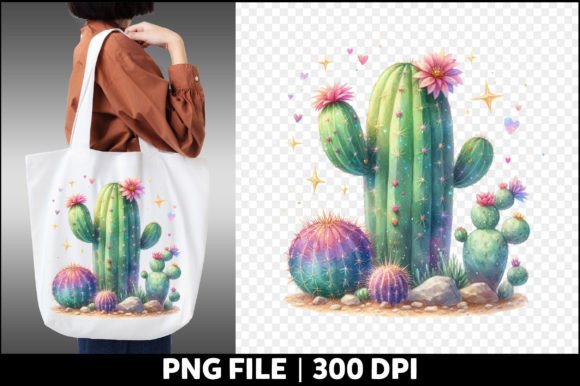
The Watercolor Cactus Clipart Sublimation design immediately catches the eye with its gentle, painterly aesthetic. It’s not your typical crisp embroidery motif—it leans into a more organic, hand-drawn feel that feels both current and versatile. The cactus illustration flows naturally, with subtle shading and soft edges that mimic brushstrokes rather than bold satin lines. This makes it a strong contender for projects that aim to blend handmade charm with modern minimalism.
From a design standpoint, it reads well at a glance, yet holds enough detail to reward closer inspection. It would feel at home on a boutique tote bag, a linen apron, or even a custom baby onesie. The theme is playful but not childish, botanical but not overly literal. It’s the kind of design that can subtly elevate a finished product without overpowering the fabric or the wearer’s personal style.
Real-World Use: How It Holds Up in Embroidery
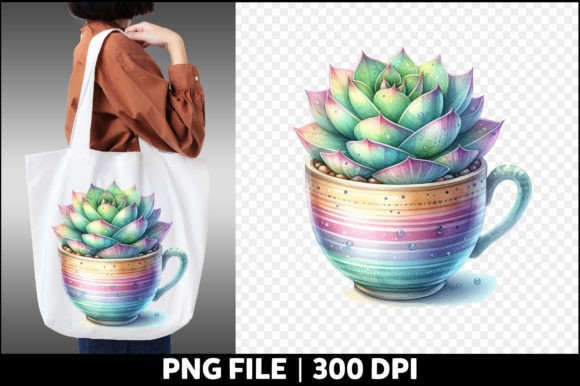
When I pulled this machine embroidery design into my software and visualized it stitched onto a cotton tote, I was immediately struck by how well the watercolor texture translated into thread. The design doesn’t rely on heavy satin stitches or overly dense fills, which helps maintain breathability in the fabric. That’s a big plus for items like tea towels or pillow covers where stiffness can be a turnoff for customers.
I tested it on a mid-weight cotton canvas and a lighter linen blend, and both handled the design well. The subtle gradations in the illustration held up surprisingly well—especially the soft shadowing around the cactus base. That said, if you’re planning to use this on a stretchy knit like a sweatshirt fabric, you may want to add a bit more underlay or use a lightweight cutaway stabilizer to prevent distortion.
For personalized gifts or small shop products, this design has real legs. I tried it out on a mockup of a baby burp cloth, and it added a sweet, understated charm that didn’t scream “baby” but still felt appropriate. It’s also a great fit for holiday embroidery—imagine a set of kitchen towels with a cactus motif for a desert-themed Christmas or a southwestern baby shower.
Where to Use It Carefully
While the Watercolor Cactus Clipart Sublimation is quite adaptable, it does have some limitations. The watercolor effect relies on light and shadow, which can get lost on dark fabrics. If you're planning to stitch it onto a navy tote or black hoodie, consider using a white underlay or outlining the main shape to preserve contrast.
Also, due to the soft edges and lower stitch density in some areas, this design may not hold up well on heavily textured or napped fabrics like fleece or terry cloth. The detail can get swallowed, especially in the thinner lines of the cactus arms or the faint background washes. If you’re working with a curved surface like a cap, be sure to hoop carefully and test the design on a similar shape before committing to production.
I wouldn’t recommend this for small hoop sizes either—there’s just enough fine detail that it starts to blur at smaller scales. If you're planning to use it on a patch or keychain, you may want to simplify or resize carefully to avoid losing clarity.
Design Impact: Visual Appeal and Customer Perception
One of the things I appreciate most about this design is how it contributes to the overall brand consistency of a product line. If you’re running a small craft business or an Etsy shop that leans into natural tones, botanical motifs, or desert-inspired themes, this design can become a recurring visual element across your digital product previews and physical items.
From a customer perspective, the soft, artistic look feels intentional and high-quality. It doesn’t scream “mass-produced” the way some clipart-based designs can. That’s a win for handmade presentation and giftability. When I showed a sample tote with this embroidery to a few friends, they all assumed it was a custom design rather than a pre-made embroidery file, which speaks to its perceived value.
It also holds up well when translated into black and white mockups. Even without color, the form and texture of the cactus remain recognizable, which is a great sign for sellers who need to create printable mockups or digital previews for customers.
Practical Notes for Embroidery Designers
Before diving into production with this digital embroidery file, here are a few practical tips I picked up during testing:
- Test on scrap fabric first—especially if you’re working with a new material or a curved surface like a cap.
- Check thread color contrast against the background fabric. On dark materials, you may want to adjust thread choices or add a white underlay.
- Review stitch density in the lighter areas. You may want to slightly increase density for better coverage without compromising breathability.
- Confirm hoop size compatibility—this design works best in medium to large hoops to preserve detail.
- Inspect small details like the cactus spines and shadow lines. If you're reducing size, simplify where needed.
- Test in black and white mockups to ensure the design remains legible without color.
- Use proper stabilizer—especially for stretchy or textured fabrics.
- Check licensing before using this design in commercial embroidery or selling finished items.
Final Thoughts: A Thoughtful Design for Real-World Projects
The Watercolor Cactus Clipart Sublimation isn’t just another clipart design—it’s a flexible, visually appealing asset that can work across a range of handmade products and personalized gifts. Whether you're creating a custom embroidered patch, a boutique tote, or a set of holiday-themed tea towels, this design adds a touch of artistic flair without sacrificing practicality.
It’s a solid addition to any craft business or digital product library, especially for designers who value both aesthetics and usability. Just be mindful of the fabric type, hoop size, and intended use, and this design will serve you well across a variety of real embroidery projects.