Watercolor Baby Clothing Clip Art: A Designer’s Honest Review
First Impressions: Soft, Playful, and Ready for Baby
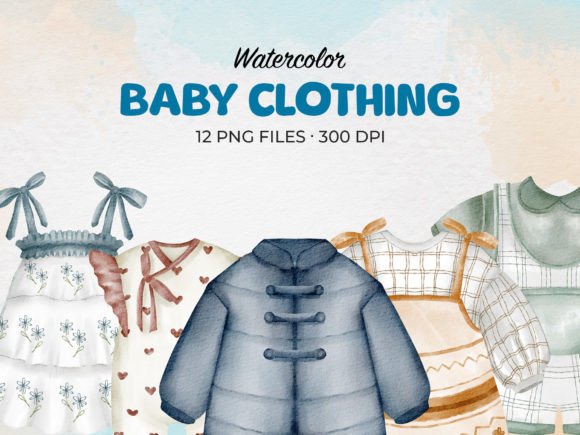
Opening the Watercolor Baby Clothing Clip Art file, I was immediately drawn to the soft, painterly aesthetic. The watercolor style gives it a gentle, artistic feel that’s perfect for baby-themed embroidery. The color palette leans pastel—think soft blues, pinks, and creams—blending in a way that mimics real brushstrokes. This isn’t a bold, graphic design; it’s subtle and dreamy, which makes it ideal for baby clothes, nursery decor, or custom keepsakes.
The layout is clean and centered, with a variety of baby outfits—rompers, onesies, little socks—arranged in a way that feels organic, not cluttered. There’s enough detail to make the designs recognizable without being too intricate for standard embroidery machines. The visual personality is warm, nurturing, and slightly whimsical, which aligns well with the target audience: parents, gift-givers, and boutique baby product sellers.
Real-World Use: From Sweatshirts to Nursery Pillows
Testing this design across different embroidery applications, I found it worked especially well on baby onesies and toddler sweatshirts. The soft outlines and gentle color transitions lend themselves to a more artistic, hand-painted look that stands out from typical cartoon-style baby embroidery. It’s also a solid choice for nursery pillows and wall hangings—items that benefit from a calming, decorative touch.
When stitched on a lightweight cotton tea towel or a linen baby blanket, the design maintains its delicate charm. The satin and fill stitches are balanced, avoiding excessive density that could stiffen the fabric. On a custom tote bag for a baby shower gift, it added just the right amount of personality without overwhelming the product.
For Etsy sellers and small craft businesses, this design can elevate simple handmade items into boutique-quality goods. It's especially effective when used in curated gift sets—like a personalized baby towel, matching tote, and embroidered burp cloth.
Where to Be Cautious: Fabric, Detail, and Placement
Despite its charm, Watercolor Baby Clothing Clip Art does require some thoughtful handling. On textured or thick fabrics like terry cloth or felt, the fine watercolor details can get lost. The same goes for stretchy knits—without proper stabilizer, the soft outlines may distort during stitching or wear.
I’d also advise caution when using this design on dark fabrics. The light, pastel tones don’t always translate well without thread color adjustments. Testing on a dark background with contrasting thread is a must to preserve clarity and visual impact.
Small hoop sizes can be a challenge, especially if the design includes multiple baby clothing items. It’s best to select a single element—like one onesie or pair of socks—when working with limited space. Also, curved surfaces like caps or hats may flatten the watercolor effect, so consider placement carefully.
Impact on Product Appeal and Customer Trust
This design adds a unique visual appeal that sets it apart from mass-produced clip art. The artistic quality gives handmade items a more thoughtful, curated feel—something customers are willing to pay for. Whether you're embroidering a baby blanket for a client or creating a personalized gift for your Etsy shop, this design communicates care and craftsmanship.
From a branding perspective, Watercolor Baby Clothing Clip Art works well for businesses aiming for a soft, organic aesthetic. It supports a consistent visual identity across product lines, especially when used alongside complementary digital mockups or printable packaging.
It also enhances giftability. The design feels personal and artistic, making it a strong contender for baby showers, first birthdays, or keepsake embroidery. Customers are more likely to trust and return to a seller who offers unique, high-quality designs like this.
Practical Notes for Embroidery Designers
Before stitching, always test the Watercolor Baby Clothing Clip Art on scrap fabric, especially if you're using an unfamiliar material. Check how the colors interact and whether the stitch density holds up without puckering.
- Thread color contrast is key—especially on dark or textured backgrounds.
- Stabilizer choice should match the fabric type; a medium-weight tear-away works well for most cotton and linen baby items.
- Review small details under magnification to ensure clarity, especially if reducing the design size.
- Confirm hoop size before stitching to avoid distortion or trimming.
- Test in black and white to see how the design holds up without color cues.
If you're selling finished embroidered items or digital embroidery files, be sure to verify licensing for commercial use. The design itself is labeled as an illustration, so confirming usage rights is essential for Etsy sellers or digital product creators.
Final Thoughts: A Thoughtful Addition to Any Baby-Themed Embroidery Kit
Watercolor Baby Clothing Clip Art is a versatile, emotionally engaging design that brings a soft, artistic touch to baby and toddler embroidery projects. It’s not just another clip art file—it’s a design that tells a story, evokes a mood, and elevates the final product.
Whether you're a small business owner looking to add depth to your Etsy listings, a craft fair vendor creating personalized baby gifts, or a hobbyist stitching keepsakes for loved ones, this design is worth the investment. Just remember to test, adjust, and apply it thoughtfully to get the most out of its delicate, painterly charm.