Watercolor Zebra Illustrations: A Fresh Design Asset for Bloggers & Publishers
As a blog designer and digital publisher with years of experience crafting visually engaging content, I’m always on the hunt for high-quality design assets that elevate editorial work without overwhelming the message. The Watercolor Zebra Clipart Bundle caught my eye as a unique, artistic option for bloggers, educators, and content creators who want to inject a bit of whimsy and organic texture into their digital presence.
First Impressions: Artistic, Playful, and Lifestyle-Centric
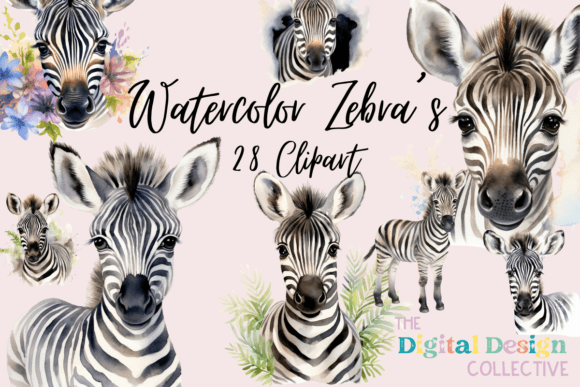
Opening the bundle, I was struck by the soft, painterly quality of the illustrations. These aren’t your typical flat vector graphics — they’re hand-painted, slightly imperfect, and full of character. The watercolor textures and muted tones give the Watercolor Zebra Clipart Bundle a natural, artisanal feel that’s perfect for lifestyle, wellness, parenting, and creative niches.
If you’re publishing content in niches like home decor, slow living, journaling, or mindful parenting, this design asset will resonate well with your audience. It creates a warm, approachable editorial mood that invites readers to linger and explore your content.
Real-World Use: From Pinterest to Printables
Let’s talk practicality. I tested this graphic design asset across a variety of real publishing scenarios:
- Blog featured images — Worked beautifully as a background accent or central focus for DIY and creative lifestyle posts.
- Pinterest pins — The organic shapes and soft color palette helped pins stand out in a sea of flat design thumbnails.
- Newsletter banners — Added a touch of personality to email headers without distracting from the text.
- Downloadable worksheets — Enhanced the visual appeal of freebies like morning routine planners and creative prompts.
- Canva templates — Integrated smoothly into templates for social media stories and blog graphics.
Whether you're creating a digital guide or sprucing up your media kit, this clipart bundle offers flexibility and visual interest that aligns with modern editorial design trends.
Boosting Content Performance with Visual Identity
From a content marketing perspective, the right design asset can do more than just look pretty — it can actually improve your content’s performance. Here’s how the Watercolor Zebra Clipart Bundle supports stronger engagement:
- Stronger first impression — The organic textures and soft lines draw the eye gently but effectively.
- Improved visual hierarchy — Used as dividers or accents, these illustrations help guide readers through editorial layouts.
- Increased click-through potential — Unique Pinterest graphics made with this asset stood out more than standard templates.
- Better brand recognition — When used consistently, these illustrations help build a cohesive visual identity across your blog and digital products.
- Enhanced reader trust — The professional yet approachable aesthetic supports content that feels authentic and curated.
Where This Design Asset Shines
Based on my testing across blog layouts, newsletters, and Canva templates, here are the top use cases where the Watercolor Zebra Clipart Bundle truly excels:
- Hero images — Especially effective in lifestyle and creative niches where a soft, organic vibe is desired.
- Article thumbnails — Adds visual warmth and interest to blog post previews.
- Editorial accents — Works well as dividers, background textures, or sidebar elements in article layouts.
- Newsletter headers — Brings a touch of artistry to email campaigns without overwhelming the message.
- Social media previews — Perfect for Instagram stories and Facebook posts that need a personal, handmade feel.
When to Use It Carefully
While the Watercolor Zebra Clipart Bundle is versatile, it’s not a one-size-fits-all solution. Here are a few situations where you might want to proceed with caution:
- Small mobile thumbnails — The fine details can get lost at very small sizes.
- Text-heavy blog graphics — The busy textures may interfere with readability if used as a background.
- Corporate or minimalist branding — If your brand leans modern, clean, or highly professional, this asset may feel out of place.
- High-contrast design needs — The muted tones may not pop enough for digital ads or affiliate banners that require bold visuals.
Publisher’s Checklist: Before You Publish
Before using any graphic design asset in your content publishing workflow, it’s essential to test and optimize for real-world use. Here’s what I recommend:
- Preview on desktop and mobile screens — Check visibility and clarity across devices.
- Test as a thumbnail — Does it still read clearly at 300x200 pixels?
- Place in a real blog layout — See how it interacts with your fonts, headers, and sidebar elements.
- Overlay with headline text — Ensure readability when combined with bold or script fonts.
- Check contrast and readability — Especially if using as a background or overlay element.
- Try in black and white — Does it still work if your audience views it in grayscale?
- Pair with different fonts — Test with serif, sans-serif, and handwritten fonts to see which combinations feel most cohesive.
- Optimize file size — Compress images for fast page load times, especially for blog graphics and Pinterest pins.
- Confirm commercial licensing — Always verify that you have the right to use the asset on monetized websites, affiliate content, and paid digital products.
Final Thoughts: A Creative Asset for Real Publishers
The Watercolor Zebra Clipart Bundle is more than just a pretty illustration pack — it’s a thoughtful design asset that supports content creators in building a polished, cohesive visual brand. Whether you're designing a lead magnet, sprucing up your affiliate blog, or creating a digital guide, this bundle adds a touch of artistic flair that elevates your editorial presence.
For bloggers, newsletter creators, online educators, and small business owners who want to stand out with a unique, handmade aesthetic, this is a design tool worth exploring. Just remember to test it in your real publishing workflows, optimize for performance, and ensure it aligns with your brand’s visual identity.