Watercolor Vintage Floral Books Illustrations: A Blog Designer’s Review
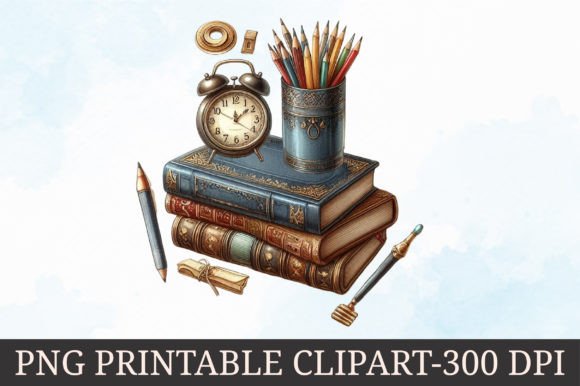
As a blog designer and digital publisher, I’m always on the lookout for design assets that bring visual charm without compromising editorial clarity. The Watercolor Vintage Floral Books Clipart caught my eye immediately—its soft textures, hand-painted details, and nostalgic aesthetic make it a standout in the crowded world of digital illustrations. But how does it hold up in real publishing workflows? Let’s dive in.
First Impressions: A Nostalgic, Artistic Vibe
The first thing I noticed about this graphic design asset is its unmistakable vintage charm. The watercolor technique gives it a painterly, organic feel, while the floral motifs and book illustrations evoke a sense of timeless elegance. It’s the kind of design that whispers rather than shouts—perfect for content that wants to feel curated, thoughtful, and creative.
This editorial design style leans heavily into lifestyle, art, and literary niches. Think book blogs, journaling guides, vintage-inspired digital guides, or even feminine-focused affiliate content. It’s not bold or modern—it’s delicate, artistic, and expressive. If your brand identity leans toward softness and storytelling, this asset could become a key part of your visual language.
Real-Use Scenarios for Bloggers and Publishers
Let’s talk practicality. I tested this Watercolor Vintage Floral Books Clipart across several content formats common in digital publishing:
- Featured images – Works beautifully as a background or accent in blog headers, especially when paired with serif fonts and muted color palettes.
- Pinterest pins – Its vintage aesthetic and floral elements naturally attract attention in lifestyle and creative niches.
- Newsletter headers – Adds warmth and personality to email campaigns, especially in content upgrades or lead magnets.
- Downloadable printables – Ideal for planners, reading journals, and other creative digital products sold on Gumroad or Etsy.
- Canva templates – Easily integrates into templates for social media stories, blog graphics, or eBook covers.
- Digital guides – Enhances editorial layouts with subtle illustrations that guide the eye without overwhelming the text.
How It Boosts Content Performance
Visuals matter more than ever in content marketing. Here’s how this design asset supports stronger editorial and marketing outcomes:
- Better first impressions – The vintage aesthetic instantly communicates warmth and creativity, inviting readers to stay longer.
- Stronger visual hierarchy – Use it as a focal point or supporting graphic to guide attention where it matters most.
- Higher click-through rates – Especially effective on Pinterest and social media, where its aesthetic stands out in feeds.
- Consistent branding – When used across blog graphics and social visuals, it reinforces a cohesive brand identity.
- Reader trust – Polished visuals signal professionalism, even in niche or personal blogs.
- Improved category recognition – Perfect for lifestyle, journaling, or book-related content categories.
- Professional-looking pages – Elevates the overall editorial design of blog posts and downloadable resources.
Where It Shines: Strategic Use in Content Publishing
Based on real-world testing, here are the best use cases for this Watercolor Vintage Floral Books Clipart:
- Hero images – Add a soft, inviting header to landing pages or newsletter sign-up sections.
- Article thumbnails – Ideal for lifestyle and creative topics where visual storytelling is key.
- Blog graphics – Use as dividers, pull quotes, or sidebars to break up text-heavy content.
- Content upgrades – Enhances lead magnets like reading lists or printable planners.
- Social media previews – Especially effective on Instagram and Pinterest for visual storytelling.
- Downloadable resources – Works well in worksheets, eBooks, and printables for a handcrafted feel.
Where to Use It Carefully
Despite its charm, this asset isn’t universally applicable. Here are situations where it may not be the best fit:
- Small mobile thumbnails – Details can get lost at very small sizes.
- Text-heavy blog images – May compete with headlines or body copy if not spaced properly.
- Low-contrast backgrounds – Can blend in and reduce readability if not layered correctly.
- Busy layouts – In already complex designs, it may add visual clutter rather than clarity.
- Serious professional niches – Doesn’t align with corporate, legal, or technical content styles.
- Minimalist websites – Could feel out of place if your brand leans toward clean, modern design.
Publisher Notes: Practical Tips Before You Publish
Before dropping this into your content workflow, here are a few checks I recommend:
- Test on desktop and mobile screens – Make sure the illustration looks sharp and readable across devices.
- Preview as a thumbnail – Zoom out to see how it holds up in small sizes, especially for Pinterest or email use.
- Layer with headline text – Ensure contrast remains strong and typography stays legible over the design.
- Try it in black and white – Some illustrations lose impact when desaturated—test before finalizing.
- Pair with different fonts – Works best with script, serif, or handwritten fonts; may feel mismatched with ultra-modern sans serifs.
- Check file size – Large image files can slow down your website; compress without losing quality.
- Confirm commercial licensing – Always verify that the Watercolor Vintage Floral Books Clipart is approved for use on monetized sites or digital products.
Final Thoughts: A Valuable Addition for Lifestyle and Creative Publishers
For bloggers, digital marketers, and online educators in lifestyle, journaling, literature, or creative niches, this Watercolor Vintage Floral Books Clipart is more than just a design asset—it’s a storytelling tool. Used strategically, it enhances brand identity, supports visual hierarchy, and gives content that extra polish that makes it clickable, readable, and memorable.
Whether you're designing a digital guide, crafting a newsletter banner, or building a Canva template library for your audience, this editorial design element brings a touch of warmth and artistry that elevates your content from good to great.