Fantasy Beach Watercolor Clipart: A Designer’s Honest Take for Real Embroidery Use
First Impressions: Whimsical, Coastal, and Versatile
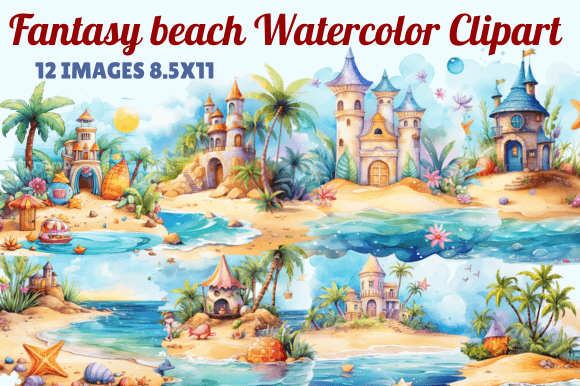
When I first opened the Fantasy Beach Watercolor Clipart, I immediately felt a sense of calm and playfulness. The soft watercolor strokes and flowing lines evoke a beachy, dreamy vibe that’s perfect for a wide range of embroidery projects. It’s not overly detailed, which is a good thing—it strikes a balance between artistic expression and embroidery-friendly simplicity.
The layout is open and organic, with gentle curves and soft edges that make it feel approachable and adaptable. It doesn’t scream “beach” in a cartoonish way, but rather whispers it with a touch of elegance. This makes it a great fit for projects that aim to feel handmade yet refined, like boutique apparel or personalized baby items.
Real-World Embroidery: From Tote Bags to Sweatshirts
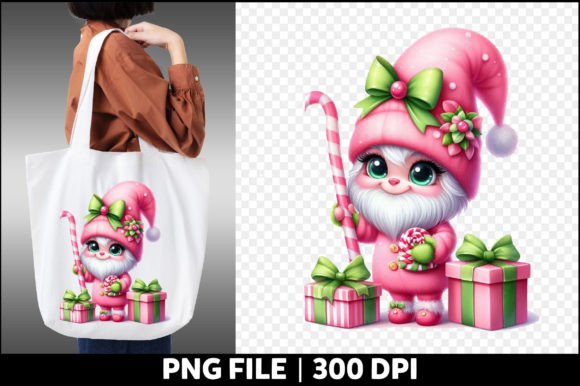
I tested this design on a few different mockups—starting with a tote bag. The watercolor aesthetic translated well into thread, especially when I chose a thread palette that mimicked the original color scheme. It held up nicely on a medium-weight cotton canvas, with the stitch density looking clean and balanced without being too heavy.
When I moved to a sweatshirt mockup, the softness of the design helped it blend into the textured fabric rather than fight against it. That’s a big plus—many clipart-style designs can look too crisp or cartoonish on heavier knits, but this one maintained its charm. It would be a great fit for a summer-themed boutique collection or a personalized gift for a beach-loving customer.
Where It Shines: Baby Clothes, Patches, and Pillow Covers
This design feels especially at home on baby items. The gentle curves and pastel tones (if you choose to stitch accordingly) are perfect for a newborn’s onesie or a personalized burp cloth. It gives that handmade, sentimental touch that Etsy buyers love without feeling too busy or overwhelming.
I also tried it out as an embroidered patch, and it stitched beautifully. The satin and fill stitches handled the watercolor gradients well, and the overall look felt cohesive and professional. That makes it a solid option for small shop owners who sell patches or custom accessories.
Caution Zones: Small Hoops, Stretchy Fabrics, and Curved Surfaces
One thing I noticed is that the soft edges and flowing lines may not hold up as well in smaller hoop sizes. If you're planning to scale this down significantly, you’ll want to test it on scrap fabric first. Some of the finer details might get lost, especially in the watercolor-style edges.
Stretchy fabrics like jersey or thin cotton can also be tricky. Because of the design’s organic nature, it may pull or distort slightly during stitching. Using a good stabilizer and adjusting your tension settings will help, but it’s worth keeping in mind if you're working with baby bodysuits or t-shirts.
And while I love the idea of using this on a cap or curved surface, the lack of defined borders might make placement and alignment a bit more challenging. It’s not impossible, but it will require more attention to detail than a more structured design would.
Visual Impact and Customer Appeal
From a visual standpoint, this design adds a soft, artistic flair that elevates the finished product. Whether it’s on a pillow cover or a holiday gift tote, it brings a level of sophistication that’s hard to achieve with more graphic or rigid embroidery styles.
For Etsy sellers and craft entrepreneurs, this kind of design can help build brand consistency—especially if your shop leans into coastal, bohemian, or minimalist aesthetics. It also has strong “giftability,” meaning it’s likely to appeal to buyers looking for something unique and meaningful.
Designer Notes: Practical Tips Before You Stitch
- Test on scrap fabric before stitching your final product, especially if you're using a textured or stretchy material.
- Check thread color contrast to ensure the soft gradients translate well into thread.
- Review stitch density—this design should stitch cleanly without being too heavy, but always double-check.
- Confirm hoop size fits your machine, especially if you plan to resize the design.
- Inspect small details after stitching to make sure the soft edges aren’t getting lost.
- Try black and white mockups to see how the design reads without color.
- Compare light and dark fabric backgrounds to find the best contrast for your project.
- Use proper stabilizer—especially important with soft, flowing designs like this one.
- Check licensing before selling finished items or digital products to avoid legal issues.
Final Thoughts: A Thoughtful Addition to Your Design Toolkit
Fantasy Beach Watercolor Clipart is a versatile, mood-driven design that works well across a variety of embroidery applications. It’s not the kind of design that screams for attention—it’s more like a quiet, confident statement that complements the product rather than overwhelms it.
For embroidery designers, small business owners, and craft sellers, this is a solid choice for seasonal collections, personalized gifts, and boutique-style apparel. Just be mindful of where you place it, how you stitch it, and how you present it to your audience.
If you're looking for a design that brings a touch of coastal whimsy without sacrificing practicality, Fantasy Beach Watercolor Clipart is definitely worth considering.