Composition of Watercolor Fashion Legs: A Designer’s Real-World Review
First Impressions: Soft, Playful, and Perfectly Fashion-Focused
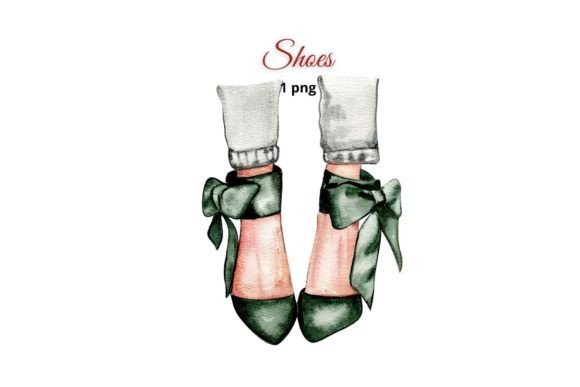
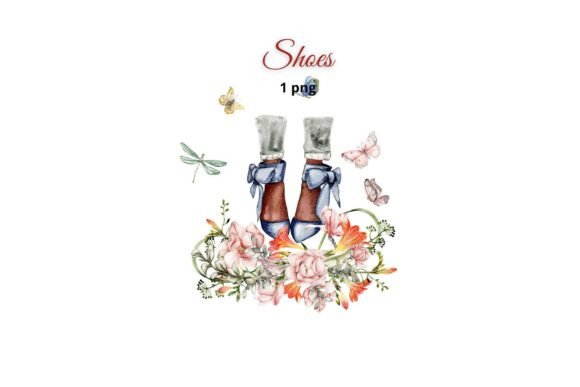
Opening up the Composition of Watercolor Fashion Legs, the first thing that hits me is the dreamy, painterly quality of the design. It feels like a fashion sketch that’s been dipped in watercolor and gently pressed onto fabric. The lines are soft, the edges blurred just enough to give that artistic, hand-drawn look without losing clarity. It’s not overly detailed, which makes it versatile for different embroidery applications.
The theme leans heavily into fashion illustration—specifically legs in stylish poses. It’s whimsical, a bit modern, and definitely eye-catching. I can already picture it stitched onto a boutique tote bag or embroidered on the side of a linen jumpsuit. The layout is balanced, with enough negative space to keep it from feeling too busy, even in dense stitch areas.
Real-World Use: From Tote Bags to Sweatshirts and Baby Clothes
Let’s say I’m designing a custom tote bag for a boutique client who wants a soft, artistic edge to their product line. This machine embroidery design would be a perfect fit. The watercolor aesthetic pairs beautifully with natural fibers like linen or cotton, and the fashion-forward imagery speaks directly to style-conscious shoppers.
Testing it on a sweatshirt sample, I noticed the design holds up well on thicker fabric. The stitch density is balanced—not too tight, which helps maintain that watercolor softness without puckering. On a baby onesie, it’s a bit more delicate, so I’d suggest placing it on the chest rather than the leg seam to avoid distortion during stitching.
For Etsy sellers or small shop owners, this design could be a great addition to a seasonal collection—think “Spring Styles” tote bags or personalized sweatshirts with names embroidered underneath the legs illustration. It adds a unique visual hook that stands out from typical floral or script motifs.
Where to Use It Carefully: Fabric, Placement, and Detail Sensitivity
While the Composition of Watercolor Fashion Legs works well in many scenarios, it’s not a one-size-fits-all solution. On stretchy or thin fabrics like jersey or lightweight knits, the delicate outlines can get lost or distorted during embroidery. I’d recommend using a medium-weight stabilizer and testing on a scrap first.
Dark fabrics also pose a challenge. The lighter thread shades used in the watercolor effect tend to fade against black or navy backgrounds. If you're aiming for a bold contrast, you might need to adjust the thread colors or consider using a white underlay.
Placement is key, especially on curved surfaces like caps or sleeves. The elongated leg shape might not translate well on rounded areas without some design manipulation. And if you're planning to scale the design down for a small hoop size, check the fine details—some of the softer edges may merge or lose definition.
Impact on Product Appeal and Customer Perception
This embroidery file brings a strong visual identity to any product. It elevates the handmade presentation and adds a touch of sophistication that’s hard to achieve with standard embroidery motifs. For a creative entrepreneur, that’s a big win—especially when trying to build brand consistency or stand out at a craft fair.
From a customer trust standpoint, the design feels professional and intentional. It doesn’t scream “mass-produced,” which is exactly what handmade buyers are looking for. If you're selling personalized gifts or boutique apparel, this design can help position your products as high-quality, curated items rather than generic crafts.
It’s also highly giftable. Whether stitched onto a pillow for a fashion-loving friend or a holiday tea towel with a playful twist, it adds personality and charm. Just keep in mind that while it’s versatile, it’s not neutral—this design makes a statement, so it’s best suited for customers who appreciate artistic flair.
Designer Notes: What to Check Before You Stitch
Before diving into your next project with Composition of Watercolor Fashion Legs, here are a few practical checks I always run through:
- Test on scrap fabric—especially if you're working with a new texture or color.
- Check thread color contrast against both light and dark backgrounds to ensure visibility.
- Review stitch density—don’t assume it’s optimized for your machine or fabric.
- Confirm hoop size compatibility before stitching on a finished product.
- Inspect small details when resizing—some lines may merge or break.
- Use proper stabilizer to prevent puckering or distortion on stretchy or thin fabrics.
- Test in black and white mockups to see how the design translates without color cues.
- Check licensing if you plan to sell finished items or digital embroidery products.
Also, if you're using this as part of a larger digital embroidery file collection or design asset, make sure it aligns with your other elements in terms of style and technical execution. Consistency matters for professional presentation.
Final Thoughts: A Worthy Addition to Your Embroidery Library?
Absolutely, yes. The Composition of Watercolor Fashion Legs offers a fresh, artistic alternative to traditional embroidery motifs. It's not just a design—it’s a conversation starter, a branding tool, and a creative asset rolled into one.
Whether you're an Etsy seller looking to refresh your product line, a craft business owner aiming for a more elevated aesthetic, or a designer building a portfolio of commercial embroidery assets, this design earns its place in your collection.
Just remember: always test, adjust, and plan for fabric and placement challenges. With a little care, this watercolor-inspired leg illustration can become a standout feature in your next handmade product or custom apparel project.